
Subscribe to the channel to not miss a single update from The Multifarious Traveller.
Made by Dhairya Mehta
Presented by The Multifarious Traveller.
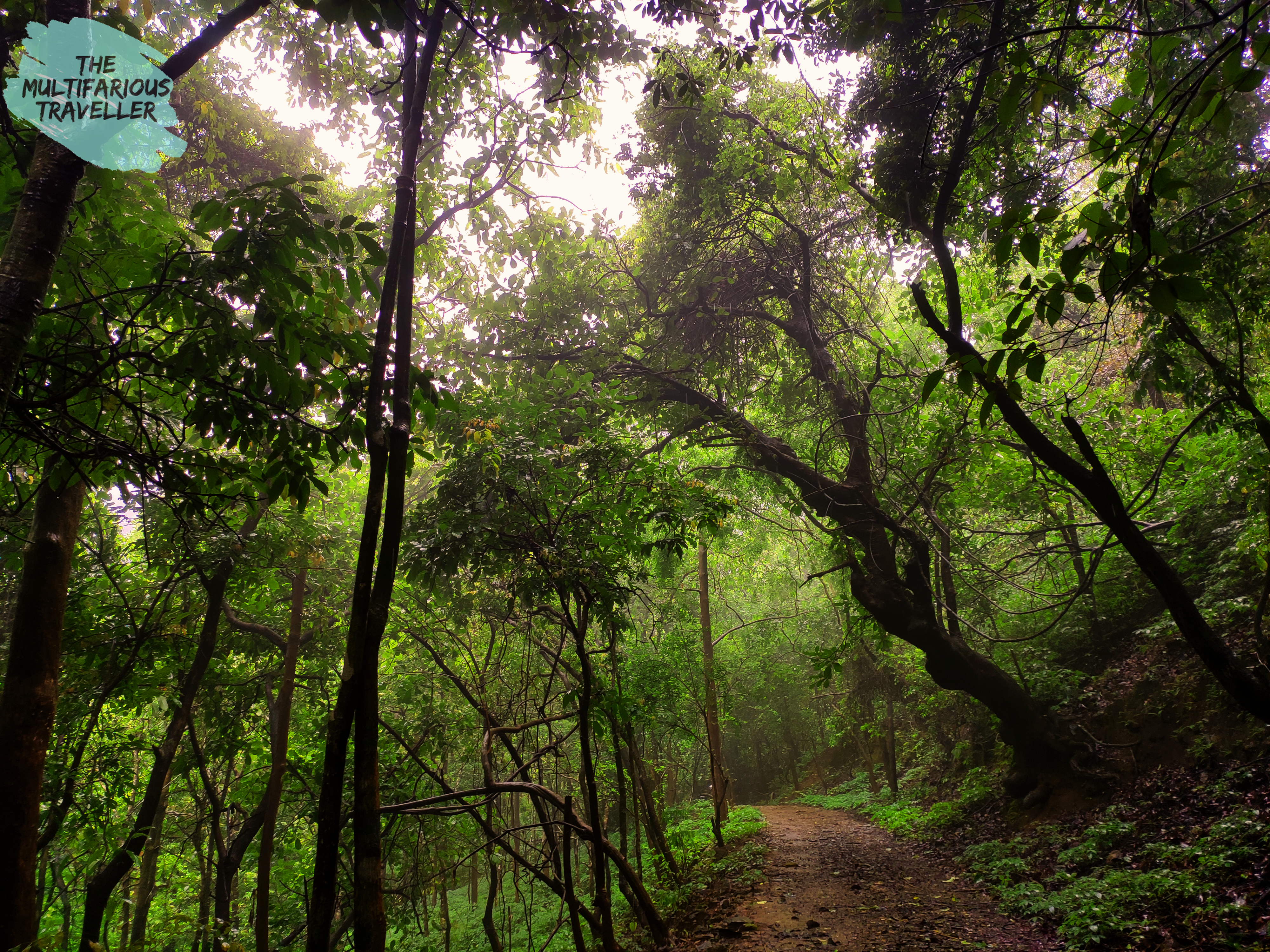
Location: Netravati Wildlife Sanctuary, Verlem, Goa 403704
Best time to visit: During monsoon. Lush green trees and pleasant environment but with medium to heavy rainfall.
Major Attractions:
Black Panther, Giant Squirrel, Slender Loris, Great Pied Hornbills
Netravali Wildlife Sanctuary is a major attraction for nature-enthusiasts, wildlife lovers as well as perfect for that relaxing yet adventurous short break. Netravali Wildlife Sanctuary is very popular forest reserve in Goa among the wildlife lovers. Netravali has been declared a wildlife sanctuary by the Government of Goa to protect its Western Ghats range. Netravali is connected to the Madei Wildlife Sanctuary and together the two parks cover an area of 420 km2, of which Netravali has 211.05 km2 area, supporting a very rich and a varied variety of wildlife. Netravali Wildlife Sanctuary lies between the Bhagwan Mahavir Wildlife Sanctuary to its north and Cotigao Wildlife Sanctuary to its south.
Be prepared for an abundance of nature and thick dense forestation along your drive. Netravali has gained a reputation for its stunning forestation and diverse wildlife. You will also see a high range of mountains here which the local habitants consider religious and which are of socio-cultural importance to them. You will come across several exotic birds and some animals. Some of the wildlife found here are the great pied hornbills, black panthers, slender loris, king cobras and the giant squirrels. Also, several many other animals are found. Do stop at the charming and aptly named Bubble Pond. Kids will love this quaint water feature. The Netravali Wildlife Sanctuary is an extremely significant source of freshwater and known to be named after the Netravali which is an important tributary of the Zuari River.
Flora:
Apart from the wildlife, this area is extremely rich in moist-deciduous forest interspersed with semi-evergreen and evergreen forests deserves tourist appreciation. Nature enthusiasts will surely enjoy identifying the many species in their full and wild bloom.
Fauna:
The Netravali Wildlife Sanctuary is home to many highly endangered wild species. The other rare and notable animals include Black Panthers, Great Pied Hornbills, King Cobras, Giant Squirrels, and Slender Loris. Apart from these wildlife species, you can also see many other animals.
Sources:
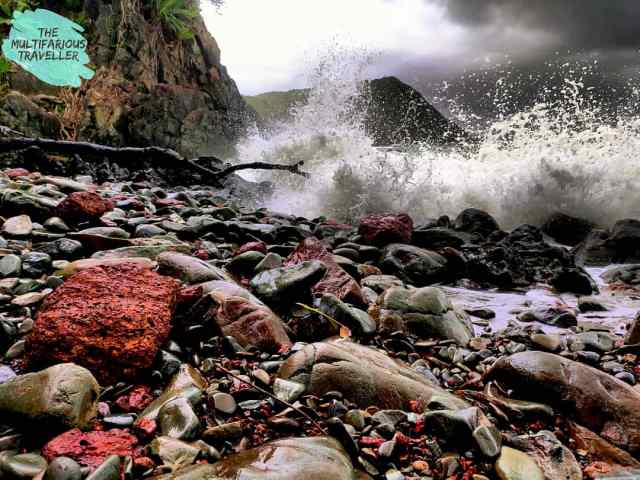
How to reach: Cabo de Rama Fort is connected with the region’s largest city of Margao by a regular bus line. You can also get there by a car through NH66 Highway — Fatorda road near the village of Balli you will need to turn right and in some time you will find yourself at this amazing ancient witness of South Goa’s history.
Quick facts:
Cabo De Rama is a beautiful and historic fort on the cape of Canacona in South Goa. This fort is witness to the ruthless battles fought between the Soonda kings and the Portuguese. At one point of time, this fort also served as a prison for political prisoners during the Portuguese rule. This is the best place for those who want to be away from a stressful life because this place offers peace and serenity. From the fort, one can get a great view of the Arabian sea and the nearby Cabo de Rama beach.
Cabo de Rama is sandwiched between two popular beaches in South Goa, Cavelossim and Agonda.
The Founders of the fort:
It was constructed by the local Soonda rulers, who ruled from here. But the Portuguese took it over after their arrival in Goa by defeating the local kings. That was in 1763. Attracted by the big cape that offered good views of the Arabian Sea and the coastline, the Portuguese rulers soon carried out renovations to modernize the fort. The Cabo de Rama Fort is now in ruins, but you can still see many attractions from the past. Cabo de Rama offers great views of the south Goa, the sea, and sunset.
The Name:
The fort gets its name from Lord Rama, the Hindu King from Ayodhya. According to mythology, the King and his wife Sita stayed here while they were in their 14-year exile from Ayodhya – the story of the Hindu epic Ramayana. So the fort is thousands of years old, making this one of the oldest forts in western India.
This story comes from the local Soonda rulers, who arrived from the neighbouring Karnataka, just across Goa’s border. The Soonda were the original builders of this fort and used to rule over their kingdom from here.
The Portuguese rule:
There were a few battles between the local Hindu and Muslim Kings, but the fort finally fell to the Portuguese in 1763. The Portuguese were attracted because the fort offered great views of the Cape region from the top of the hill. It offered a clear view of the coastline and further into the Arabian Sea, so they could see advancing enemies from both the land and sea. It was called ‘Rama Killa’ after Lord Rama during the days of Hindu rule. The Portuguese changed the name to Cabo de Rama. The word ‘Cabo’ in Portuguese means ‘cape’.
But the Portuguese rulers lost interest in the fort after its importance diminished, and abandoned it. The fort was later turned into prison but was abandoned again.

Hello!
My name is Dhairya Mehta and I am currently pursuing Electronics Engineering from IIIT Bhubaneswar. Doesn’t matter, right? Well, I am a traveller exploring the less explored parts of the cliche tourist places while underrating the popular tourist spots and trying to present it before you
Why do this?
Stop for visuals, know about places.
-Dhairya Mehta
 The Multifarious Traveller